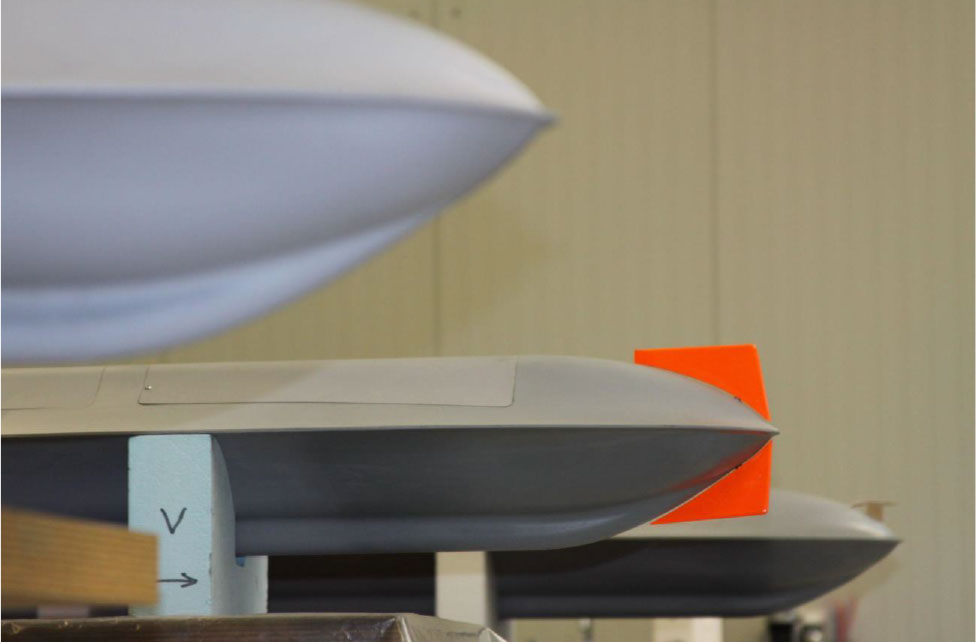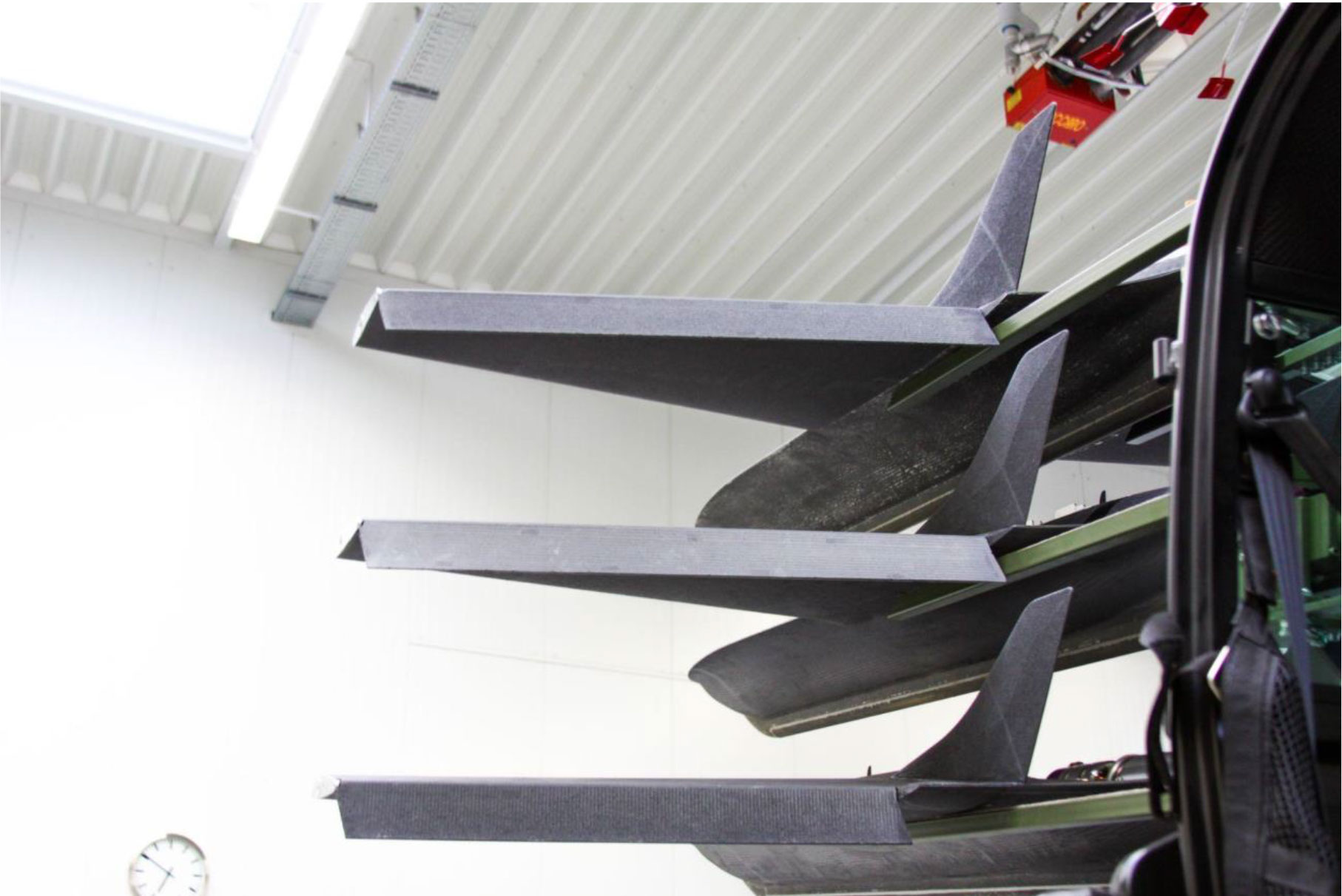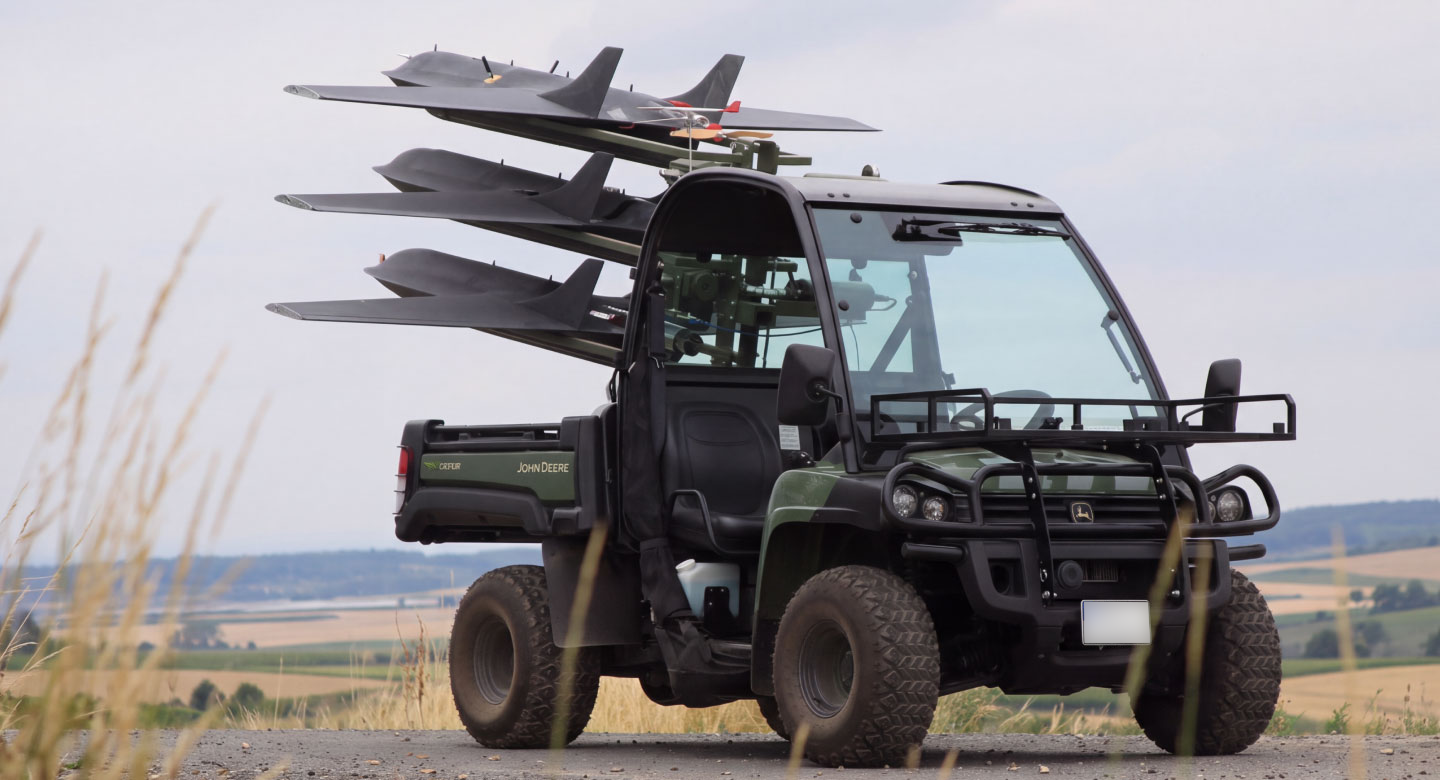
Recent coverage in professional defense media and military analysis points to a clear consensus: the next generation of drone warfare will be defined not just by what unmanned systems can do, but by how long they can survive in highly contested environments—and how reliably they can be mass-produced.
As electronic warfare (EW), advanced radar networks, and acoustic detection systems become more sophisticated, defense analysts have identified two critical challenges for the near future of loitering munitions: signature management (acoustic, thermal, and radar) and supply chain security. Defense forces are pivoting away from exquisite, low-volume systems toward scalable, attritable mass—but without compromising on survivability or precision.
Blackteq’s COBRA-E electric loitering munition is specifically engineered to answer these strategic imperatives.
The Stealth Imperative: Evading Modern Detection
The proliferation of localized air defense systems means that acoustic and thermal signatures are often the first point of failure for loitering munitions. To remain effective, future systems must be virtually imperceptible until the terminal phase of the strike.
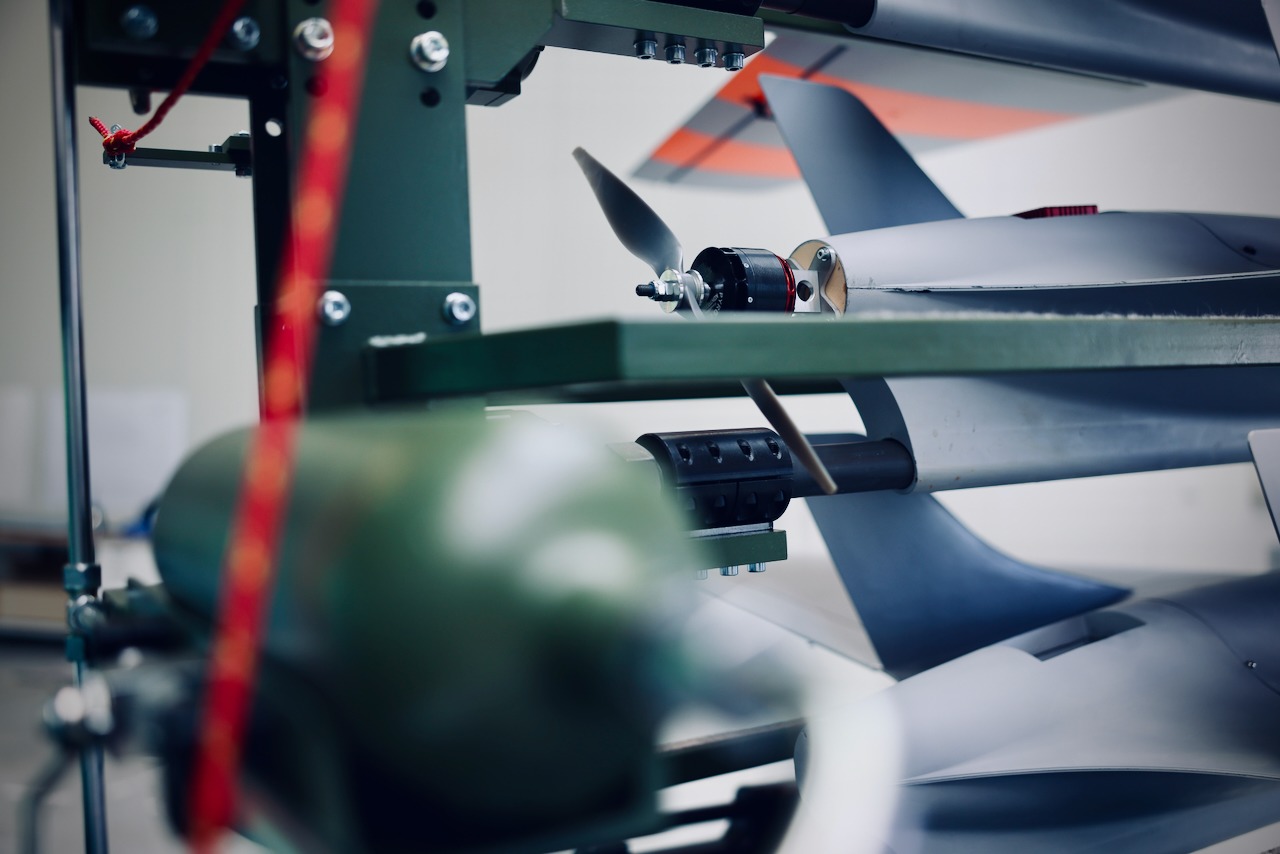
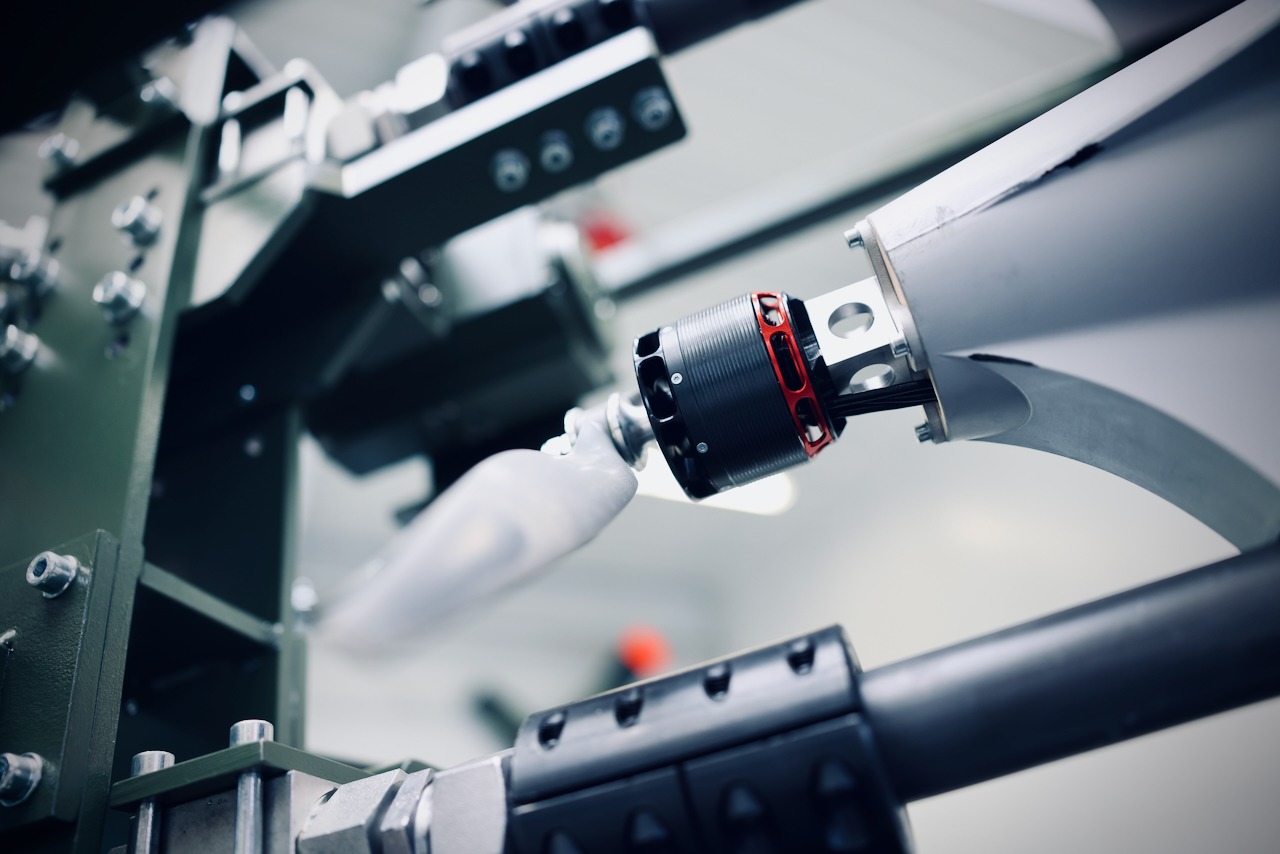
The COBRA-E operates as a silent, patient, and lethal asset. Powered by an electric pusher motor delivering 4.5 kW and a 39 Ah battery capacity, the COBRA-E is designed to operate with a much lower noise signature. Its low radar cross-section and reduced infrared (IR) signature grant the system exceptional survivability against modern detection arrays. With a typical endurance of 60 minutes and an operational range of approximately 150 km, it can persistently survey the battlefield at an optimal loitering speed of 125 km/h before executing a terminal attack at speeds up to 220 km/h.
Modularity in the Face of Evolving Threats
Another core challenge highlighted by defense experts is the need for multi-role adaptability. Single-purpose platforms lack the tactical flexibility required on fluid battlefields.
The COBRA-E addresses this via a highly modular payload container, designed to accommodate a maximum mission payload of 5 kg. This architecture allows operators to execute rapid payload swaps between fragmentation, armor-piercing, or Electronic Countermeasure (ECM) configurations. Combined with AI-assisted terminal guidance, optical terrain-following navigation, and hardened GPS/GLONASS or Inertial Navigation Systems (INS), the drone ensures precision targeting even in heavily jammed or GPS-denied environments.
The Logistics of Mass: Strategic Autonomy
Perhaps the most heavily discussed topic in defense procurement today is the vulnerability of global supply chains. Sourcing critical drone components from strategic competitors is no longer a viable option for NATO and EU armed forces.
Blackteq addresses this geopolitical challenge at the foundational level. The COBRA-E is built on an explicit "China-Free" manufacturing strategy, relying exclusively on EU components and materials. Furthermore, the system was designed from the ground up to support highly automated mass production in Germany. By utilizing a newly developed material, the entire airframe can be manufactured fully automatically in just a few minutes. This scalable manufacturing approach ensures that production can reliably hit targets of many thousands of units per month, delivering the critical mass that modern defense procurement demands.